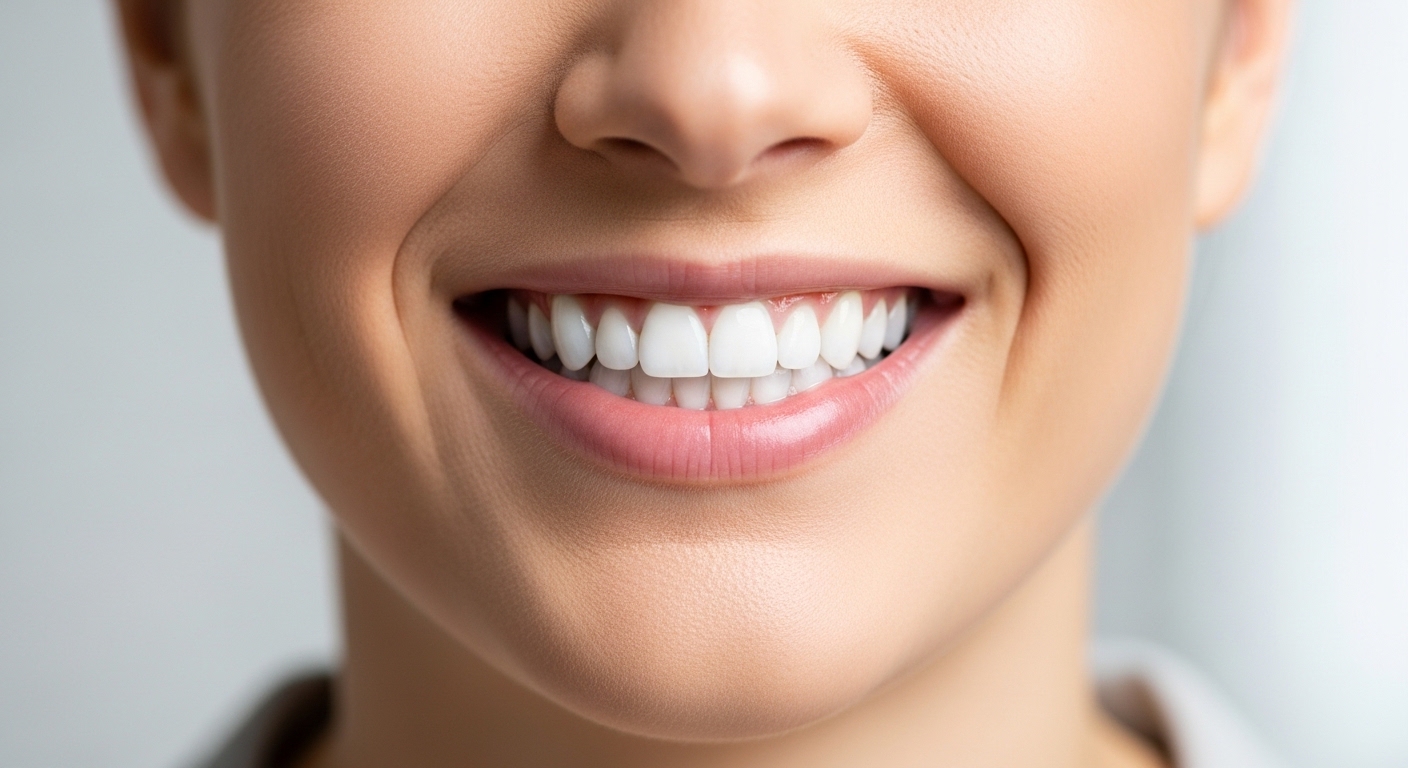
White spots on teeth are a frequent concern for patients, particularly after teeth whitening. These chalky or opaque patches can make teeth look uneven and often lead people to worry that whitening has damaged their enamel. In reality, most whitening spots on teeth are not caused by the whitening treatment itself, but by pre existing differences in enamel that become more visible once surface stains are removed.
In short, white spots after teeth whitening usually fade within one to two weeks as the enamel rehydrates and mineral balance is restored. Some white spots, however, are linked to enamel mineral loss or developmental changes and may require targeted dental treatment to improve their appearance.
This article explains what white spots on teeth are, why they often appear after whitening, whether they indicate decay, how they are treated in dental practice, and how to prevent white patches after whitening. It also addresses whether teeth can be safely whitened if white spots already exist.
What Are White Spots on Teeth?
White spots on teeth are areas of enamel that appear lighter or more opaque than the surrounding tooth surface. They occur when the structure or mineral content of enamel differs from the rest of the tooth, changing how light reflects.
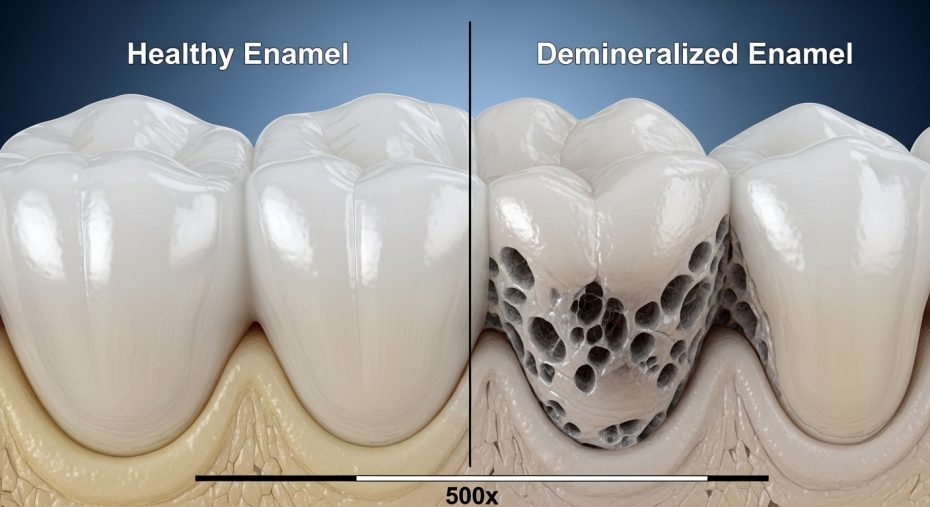
Healthy enamel is evenly mineralised and slightly translucent. When enamel loses minerals such as calcium and phosphate, or develops structural irregularities, it reflects light differently, creating visible white patches.
These spots are often subtle under normal conditions. After whitening, when stains are removed and enamel temporarily dries, these differences become more noticeable, which is why patients often associate white spots with the whitening process.
Common descriptions patients use include:
- Whitening spots on teeth
- White spots on teeth after whitening
- Chalky white spots on teeth
- Uneven teeth whitening results
Why Do White Spots Appear After Teeth Whitening?
Teeth whitening does not usually create new white spots. Instead, it highlights existing enamel irregularities.
Enamel dehydration
Whitening gels temporarily dehydrate enamel. Dehydrated enamel reflects more light and appears whiter. Areas with lower mineral density respond more strongly, making white spots stand out until the enamel rehydrates.
Many patients worry that whitening has permanently damaged their enamel when white spots appear. In most cases, professional whitening does not harm healthy enamel. You can read more about enamel safety in our article on Does Teeth Whitening Damage Enamel?
Enamel demineralisation
Demineralised enamel contains less calcium and phosphate. These porous areas reflect light differently and appear chalky white after whitening.
Fluorosis
Excess fluoride exposure during childhood tooth development can result in white or mottled enamel. Whitening does not cause fluorosis but can make it more visible.
If white spots are linked to fluorosis rather than whitening, a tailored cosmetic plan may be required. Our guide on Dental Fluorosis explains how fluorosis develops and the treatment options available.
Orthodontic related enamel changes
White spots commonly develop around previous braces brackets due to plaque accumulation and early mineral loss. These areas often become noticeable after whitening.
Uneven enamel thickness or wear
Thin or worn enamel may whiten unevenly, particularly on the front teeth, contributing to patchy results.
Will White Spots From Teeth Whitening Go Away?
In most cases, yes.
White spots caused by whitening related dehydration usually fade naturally as enamel moisture returns.
Typical post whitening timeline
| Time after whitening | What patients often notice |
| 24–48 hours | White spots may appear more obvious |
| 3–7 days | Enamel rehydrates and contrast reduces |
| 7–14 days | Colour evens out in most mild cases |
If white spots remain beyond two weeks, they are usually related to underlying enamel changes rather than the whitening treatment itself.
Understanding what happens during whitening can help explain why temporary colour changes occur. Our article on What Happens During a Dental Whitening Procedure outlines each step of professional whitening and what patients can expect during recovery.
Will White Spots on Teeth Go Away on Their Own?
Whether white spots fade without treatment depends on their cause.
White spots that often improve naturally
- Whitening related dehydration
- Mild surface demineralisation
- Temporary enamel dryness
White spots that usually need dental treatment
- Fluorosis
- Long standing post orthodontic white spots
- Developmental enamel defects
- Moderate to deep mineral loss
A dental assessment helps determine whether monitoring, remineralisation, or cosmetic treatment is appropriate.
Do White Spots on Teeth Mean Decay?
Not always.
White spots can represent early enamel demineralisation, which is the earliest stage of tooth decay. At this stage, the enamel surface is still intact and the process is reversible.
However, many white spots are inactive or purely cosmetic and do not progress to cavities.
What dentists assess clinically
- Surface texture of the enamel
- Plaque retention in the area
- Sensitivity
- Changes in colour or size over time
Early identification allows enamel to be strengthened before irreversible damage occurs.
How Are White Spots on Teeth Treated?
Treatment depends on the depth of the enamel change and whether the spot is active or cosmetic.
Common treatment options
Remineralisation therapy
Used for early or mild white spots.
- Encourages enamel repair using calcium and phosphate
- Improves translucency and strength
- Non invasive and conservative
- Often the first step before cosmetic procedures
Resin infiltration
Used for moderate white spots that do not respond to remineralisation.
- Resin penetrates porous enamel
- Alters light reflection to blend colour
- No drilling required
- Immediate improvement in appearance
Microabrasion
Used for superficial enamel irregularities.
- Removes a very thin layer of enamel
- Smooths surface texture
- Often combined with whitening
Composite bonding
Used for deeper or more stubborn white patches.
- Tooth coloured resin masks the area
- Immediate aesthetic improvement
- Minimal enamel preparation required
Veneers
Reserved for severe or widespread enamel defects.
- Permanent cosmetic solution
- Considered only when conservative options are unsuitable
Can I Get My Teeth Whitened If I Have White Spots?
Yes, but whitening should be planned carefully.
Whitening teeth with existing white spots is safe when enamel health is assessed first. Whitening without addressing enamel weakness can make spots appear more noticeable.
A structured approach usually involves:
- Dental assessment
- Stabilising enamel if required
- Controlled whitening
- Review after whitening
At Leederville Dental, enamel health is routinely assessed before whitening so results look even and natural for patients from Leederville and Mount Hawthorn.
White Spots After Whitening vs Uneven Whitening Results
These are often confused but are different issues.
| Feature | White spots on enamel | Uneven whitening results |
| Cause | Enamel mineral differences | Inconsistent gel contact or dehydration |
| Appearance | Localised chalky patches | Patchy overall shade |
| Persistence | May remain without treatment | Often resolves quickly |
| Management | Enamel focused treatment | Whitening technique adjustment |
Professional whitening significantly reduces the risk of uneven results compared to over the counter products.
If you are comparing whitening options and want to reduce the risk of uneven results, our guide on In-Chair Whitening vs Take-Home Kits: Which Is Better? explains how professional supervision improves predictability and cosmetic outcomes.
How to Prevent White Patches After Whitening
Prevention begins before whitening treatment.
Evidence based prevention strategies
- Dental examination before whitening
- Treat early demineralisation first
- Avoid excessive whitening
- Use remineralising toothpaste
- Maintain excellent oral hygiene
- Limit acidic foods and drinks during whitening
These steps support enamel health and improve whitening outcomes.
How Long Should I Wait Before Treating White Spots After Whitening?
Dentists generally recommend waiting one to two weeks after whitening. This allows enamel to rehydrate naturally and avoids unnecessary intervention.
If white spots persist after this period, targeted treatment can be considered.
Clinical Insight From Our Practice
In day to day clinical practice, most white spots noticed after whitening were present beforehand but masked by surface staining. Once teeth are evenly whitened, enamel differences become more visible.
In our experience at Leederville Dental, many cases improve simply by pausing whitening and supporting enamel remineralisation. When white spots persist, conservative treatments such as resin infiltration provide reliable cosmetic improvement while preserving natural tooth structure.
If you are concerned about white spots after whitening or would like a personalised assessment before starting treatment, we encourage you to book a consultation with our team. Early assessment helps protect enamel and achieve more even, natural-looking results. Call Leederville Dental on +61 8 9201 2744 or book online to arrange your appointment.
When Should You See a Dentist?
You should book a dental appointment if:
- White spots last longer than two weeks
- Spots feel rough or sensitive
- The appearance worsens over time
- You want to whiten teeth but already have visible white spots
Early assessment protects enamel and avoids unnecessary cosmetic treatment.
📍 Located in Mount Hawthorn, Near Leederville
Leederville Dental is conveniently located in Mount Hawthorn,
just minutes from Leederville, making it easy for local families
and professionals to access trusted dental care close to home.
We proudly welcome patients from Mount Hawthorn, Leederville, North Perth and surrounding suburbs.
Frequently Asked Questions About White Spots on Teeth
Will white spots from teeth whitening go away?
Yes. Most whitening related white spots fade within one to two weeks as enamel rehydrates.
Will white spots on teeth go away?
Some white spots fade naturally. Others caused by enamel defects may need professional treatment.
How do I get white spots off of my teeth?
Treatment may include remineralisation therapy, resin infiltration, microabrasion, or bonding depending on severity.
Can I get my teeth whitened if I have white spots?
Yes, but whitening should be dentist supervised to avoid uneven results.
Do white spots on teeth mean decay?
Not always. Some white spots are harmless, while others may indicate early mineral loss.
Why do white spots look worse after whitening?
Whitening temporarily dehydrates enamel, increasing light reflection from weaker areas.
Are white spots after whitening permanent?
Most are not permanent. Persistent spots usually reflect underlying enamel changes.
Can over the counter whitening cause white spots?
They can highlight existing enamel irregularities, especially with overuse.
How long should I wait before treating white spots?
One to two weeks is usually recommended.
What toothpaste helps reduce white spots?
Remineralising toothpaste containing calcium and phosphate can help strengthen enamel.
Are white spots common after braces?
Yes. They commonly occur around previous bracket areas.
When should I see a dentist about white spots?
If spots persist, feel sensitive, or worsen, a dental assessment is recommended.