

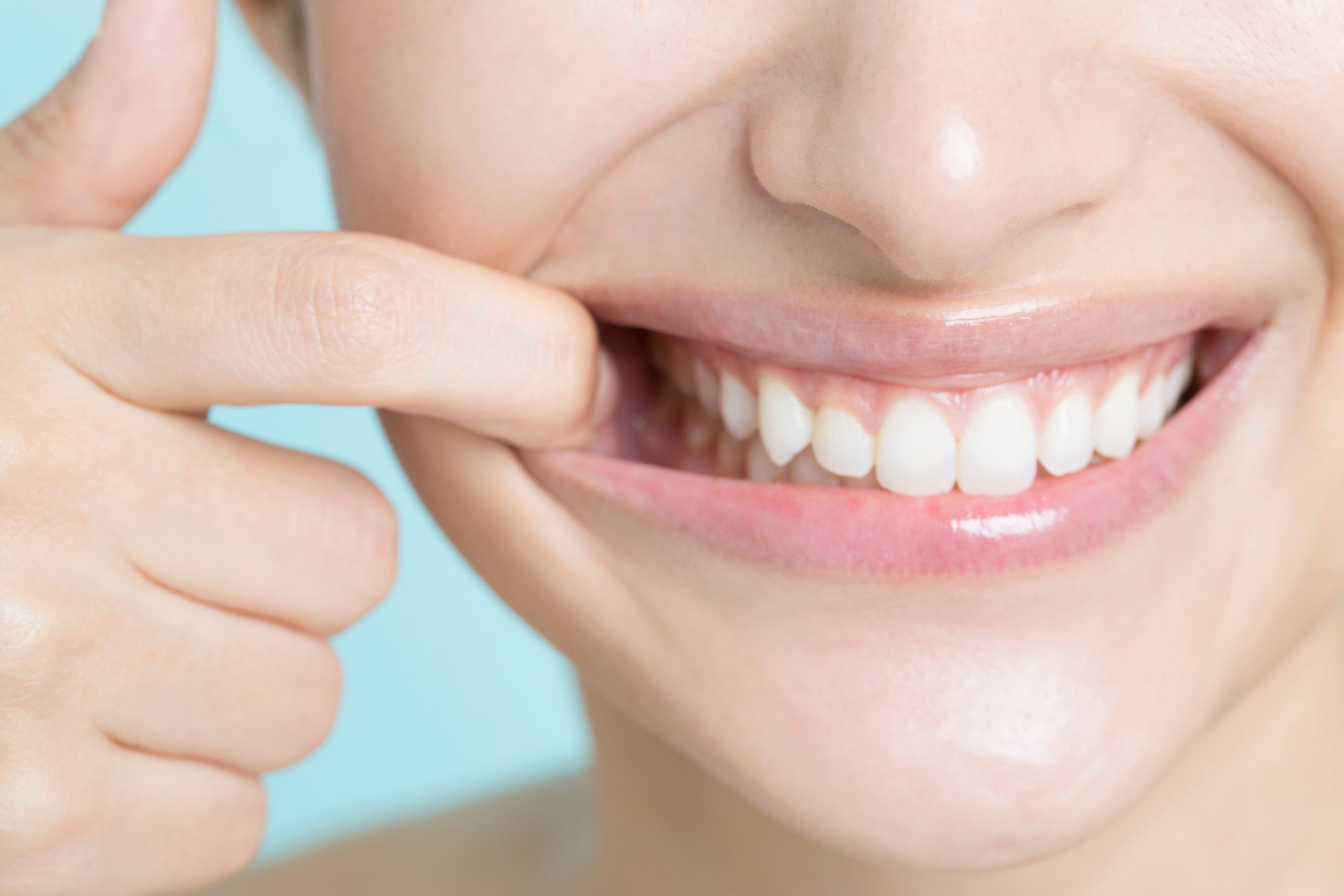
No, when done correctly, teeth whitening does not damage enamel. Dentist-approved treatments, especially those supervised in a clinical setting, are considered safe and effective for most people. However, overuse or incorrect application of whitening products can cause temporary sensitivity or irritation.
In this article, we’ll break down what happens during whitening, whether it affects your enamel long-term, and how to safely brighten your smile without risking your dental health. We’ll also explore expert recommendations, side effects to watch out for, and how to choose safe whitening options in Australia.
Quick Answers
Is teeth whitening safe for enamel?
Yes, professional whitening treatments are safe when used as directed by a dentist.
Can whitening damage teeth permanently?
No, but overuse or incorrect application can lead to temporary side effects like sensitivity.
What are the risks of DIY whitening kits?
They may contain high peroxide levels, increasing the risk of enamel irritation or soft tissue burns if unsupervised.
How do dentists protect enamel during whitening?
Dentists use protective barriers and customised trays to minimise contact with gums and control peroxide exposure.
Which whitening method is best for enamel protection?
In-chair or dentist-dispensed take-home whitening kits are safest due to regulated peroxide concentrations and professional guidance.
What Is Tooth Enamel and Why Is It Important?
Tooth enamel is the hard, outer surface layer of your teeth. It protects the inner layers (dentine and pulp) from decay, damage, and sensitivity. Once enamel wears away, it doesn’t regenerate.
Maintaining enamel health is essential for:
- Preventing cavities
- Reducing tooth sensitivity
- Preserving tooth structure
- Maintaining a bright smile naturally
Understanding how whitening products interact with enamel helps you make safe choices.
How Teeth Whitening Works
Teeth whitening treatments typically use hydrogen peroxide or carbamide peroxide to break down stains on the tooth surface. These bleaching agents penetrate the enamel to lift deep stains from:
- Coffee and tea
- Red wine
- Tobacco
- Ageing and general discolouration
The whitening process involves oxidation. While it lightens stains, it doesn’t erode enamel if used appropriately.
Types of Whitening Treatments
| Treatment Type | Description | Peroxide Level | Enamel Safety |
| In-chair whitening | Performed by a dentist with high-strength peroxide | Up to 38% | Highly safe if supervised |
| Take-home trays | Custom-fitted trays with moderate-strength gel | 10–16% | Safe if directions followed |
| Over-the-counter kits | Strips, pens, or trays with lower concentration | ≤6% | May be safe, but varies by brand |
| Natural remedies | Baking soda, charcoal, lemon juice | N/A | Risk of enamel erosion |
Does Teeth Whitening Damage Enamel?
The Expert Consensus
According to the Australian Dental Association (ADA) and multiple peer-reviewed studies, professional teeth whitening does not harm enamel when performed or supervised by a licensed dentist.
However, misuse of whitening products especially at home can temporarily weaken enamel by dehydrating the tooth surface or irritating the gum tissue. This is usually reversible with proper oral care.
Common Side Effects (Not Damage)
- Tooth sensitivity: Often short-term, caused by peroxide reaching dentine
- Gum irritation: From ill-fitting trays or excess gel
- Dry mouth: Due to temporary dehydration of enamel
None of these are permanent or destructive when whitening is properly managed.
What Causes Damage to Enamel During Whitening?
While whitening itself isn’t inherently harmful, improper use can lead to avoidable complications:
1. Overuse of Whitening Products
Repeated applications over a short period can weaken enamel and cause prolonged sensitivity.
2. Unregulated Whitening Gels
Products purchased online or overseas may contain illegal or excessively high peroxide levels, increasing the risk of enamel damage.
3. DIY Remedies
Using acidic substances like lemon juice or abrasive agents like activated charcoal can erode enamel irreversibly.
4. Ill-fitting Trays or Strips
Whitening strips or trays that don’t fit properly can lead to uneven whitening, gum burns, or peroxide pooling—none of which are enamel-friendly.
How Dentists Help Protect Your Enamel
Choosing professional whitening ensures safety due to:
- Custom-made trays that evenly distribute gel without gum exposure
- Clinical-grade materials regulated for enamel safety
- Barrier gels and desensitisers that protect soft tissues and manage sensitivity
- Monitoring for underlying conditions (e.g. decay, thin enamel, or exposed roots)
At Leederville Dental, we tailor whitening plans based on your enamel health, lifestyle, and dental goals ensuring both safety and long-lasting results.
Signs of Enamel Damage After Whitening
While rare with dentist-supervised treatments, keep an eye out for:
- Persistent tooth sensitivity
- Rough or uneven tooth surfaces
- Yellowing despite whitening (can signal enamel thinning)
- Increased susceptibility to decay
If you experience these symptoms, book an appointment immediately to assess enamel condition.
How to Whiten Safely Without Damaging Enamel
Here are some evidence-based strategies for protecting enamel while whitening:
1. See a Dentist First
A dental exam can identify any pre-existing enamel wear, decay, or sensitivity.
2. Choose Professional Whitening
Opt for in-chair or dentist-supplied kits. These are backed by research, regulated, and custom-fitted.
3. Avoid Excessive Whitening
Don’t whiten more than once every 6–12 months unless advised.
4. Use Desensitising Toothpaste
Before and after whitening, use toothpaste containing fluoride and potassium nitrate to reduce sensitivity and support enamel.
5. Maintain Good Oral Hygiene
Brushing with a soft-bristled brush and fluoride toothpaste helps strengthen enamel and prolong results.
6. Avoid Acidic or Staining Foods Immediately After Whitening
Your enamel is temporarily porous after whitening avoid coffee, wine, citrus, and smoking for 24-48 hours.
Local Perspective: Whitening in Australia
In Australia, only registered dental professionals can legally use high-concentration peroxide (above 6%). This ensures:
- Strict safety standards under AHPRA regulation
- Access to premium-grade whitening systems (e.g. Philips Zoom, Opalescence)
- Reduced risk of complications compared to online or over-the-counter kits
At Leederville Dental, we offer both in-chair whitening and take-home options approved for Australian use and supported by years of clinical research.
Final Thoughts: Is Whitening Worth It?
If you’re considering whitening, rest assured that it is safe for your enamel when done the right way. Avoid shortcuts, DIY trends, and unregulated kits. Instead, trust in dentist-approved treatments that balance cosmetic results with oral health.
At Leederville Dental, our experienced team will help you achieve a whiter smile safely, preserving the strength and integrity of your enamel.
FAQs
Is teeth whitening safe for enamel?
Yes, when performed by a dentist or under their supervision, whitening is safe and doesn’t damage enamel.
Can whitening cause permanent sensitivity?
No, most sensitivity is temporary and resolves within a few days after treatment.
How often can I whiten my teeth safely?
Most people should wait 6–12 months between treatments unless otherwise advised by their dentist.
Are natural whitening remedies safe?
No, acidic or abrasive substances like lemon or charcoal can erode enamel and should be avoided.
What’s the safest whitening method?
In-chair treatments or take-home kits from your dentist are the safest, most effective methods.


