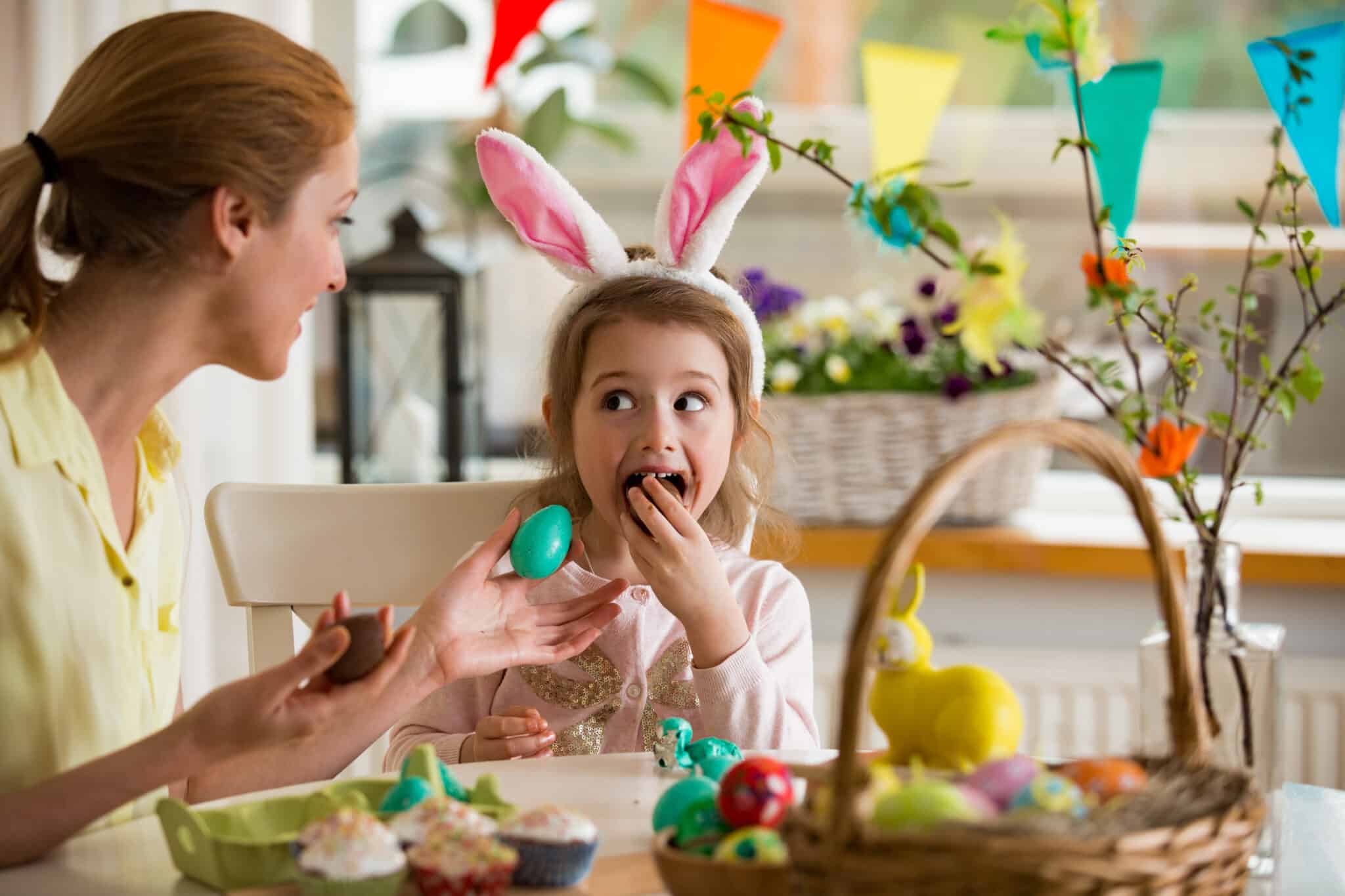
Easter is one of the most exciting times of year for kids and one of the most challenging for parents trying to keep those little teeth healthy. The good news? You don't have to ban chocolate entirely. With a few simple strategies, you can let the kids enjoy their Easter treats while keeping tooth decay at bay.
Here's our guide to a happier, healthier Easter for your whole family.
Enjoy Chocolate as Part of a Main Meal
The temptation over Easter is to snack on chocolate frequently throughout the day but this keeps the mouth in an acidic state for longer, causing more damage to tooth enamel. Instead, encourage your kids to eat their chocolate as part of a main meal. After eating a full meal, the body produces more saliva, which helps wash away harmful acids and the remnants of chocolate from teeth.
Drink Plenty of Water
After eating, water is the very best drink to help rinse away leftover food and restore a neutral pH in the mouth more quickly. Encourage your child to swish water vigorously around their mouth after eating chocolate, especially if you're out and about and can't brush straight away.
Stop Eating Chocolate at Least an Hour Before Bedtime
Make sure your child stops eating chocolate at least an hour before bedtime. This gives tooth enamel time to re-harden through the natural process of remineralisation before brushing. Brushing too soon after eating something sweet can actually damage softened enamel, so timing matters more than you might think.
Avoid Easter Eggs with Fondant & Caramel
Many popular Easter egg brands contain caramel and fondant fillings, but these are significantly more damaging to teeth than plain chocolate. While standard chocolate melts relatively quickly in the mouth, caramel and fondant can stick to teeth for much longer, prolonging acid exposure. Where possible, opt for simpler chocolate eggs without sticky fillings.
Provide Healthy Snack Alternatives
Swap out some of the chocolate snacking with tooth-friendly alternatives. Cheese, crunchy raw vegetables, fresh fruit, and breadsticks are great options that can help curb a sweet tooth without the same damage to enamel. Cheese in particular is a great choice: it's alkaline and helps neutralise acids in the mouth.
🍬 Stick with Chocolate — Avoid Other Lollies
It might seem like hard lollies or gummy bears are a safer alternative to chocolate, but think again. Hard lollies and sticky/gummy treats cling to teeth for far longer than chocolate, making them much harder to clean off and significantly increasing the risk of tooth decay. If your child is going to have a treat, plain chocolate is actually one of the better choices: it melts quickly and clears from the teeth faster.
🍫 Lower-Sugar Easter Chocolate Options
If you're choosing between Easter eggs, darker chocolates typically contain less added sugar. Here's how some popular options compare:
| Product | Size | Added Sugar |
|---|---|---|
| Lindt Dark Excellence Egg, 70% cocoa | 110g | 7.5 tsp |
| Lindt Dark Chocolate Bunny | 100g | 8 tsp |
| Choceur Dark Chocolate Bunny | 100g | 9.5 tsp |
| Ferrero Rocher Bunny | 100g | 9.5 tsp |
| Ferrero Rocher Cocoa Eggs | 100g | 10 tsp |
| Moser Roth Dark Choc Mini Eggs | 150g | 10 tsp |
Quick Reminders for Easter Weekend
- 💧 Keep water handy. After eating chocolate, encourage your child to drink a glass of water or rinse their mouth, especially if you're out and brushing isn't an option.
- 🍽️ Avoid grazing all day. Aim to eat chocolate with meals rather than as frequent snacks throughout the day. This limits how long the mouth stays acidic.
- 🦷 Keep up good oral hygiene. Encourage your child to brush for 2 minutes, twice a day with a recommended toothbrush and toothpaste and floss once a day. Building these habits young sets them up for a lifetime of healthy teeth.
Have a wonderful Easter! 🐰 If you have any questions about your child's dental health, don't hesitate to get in touch with our team. We're always happy to help you and your family smile brighter.