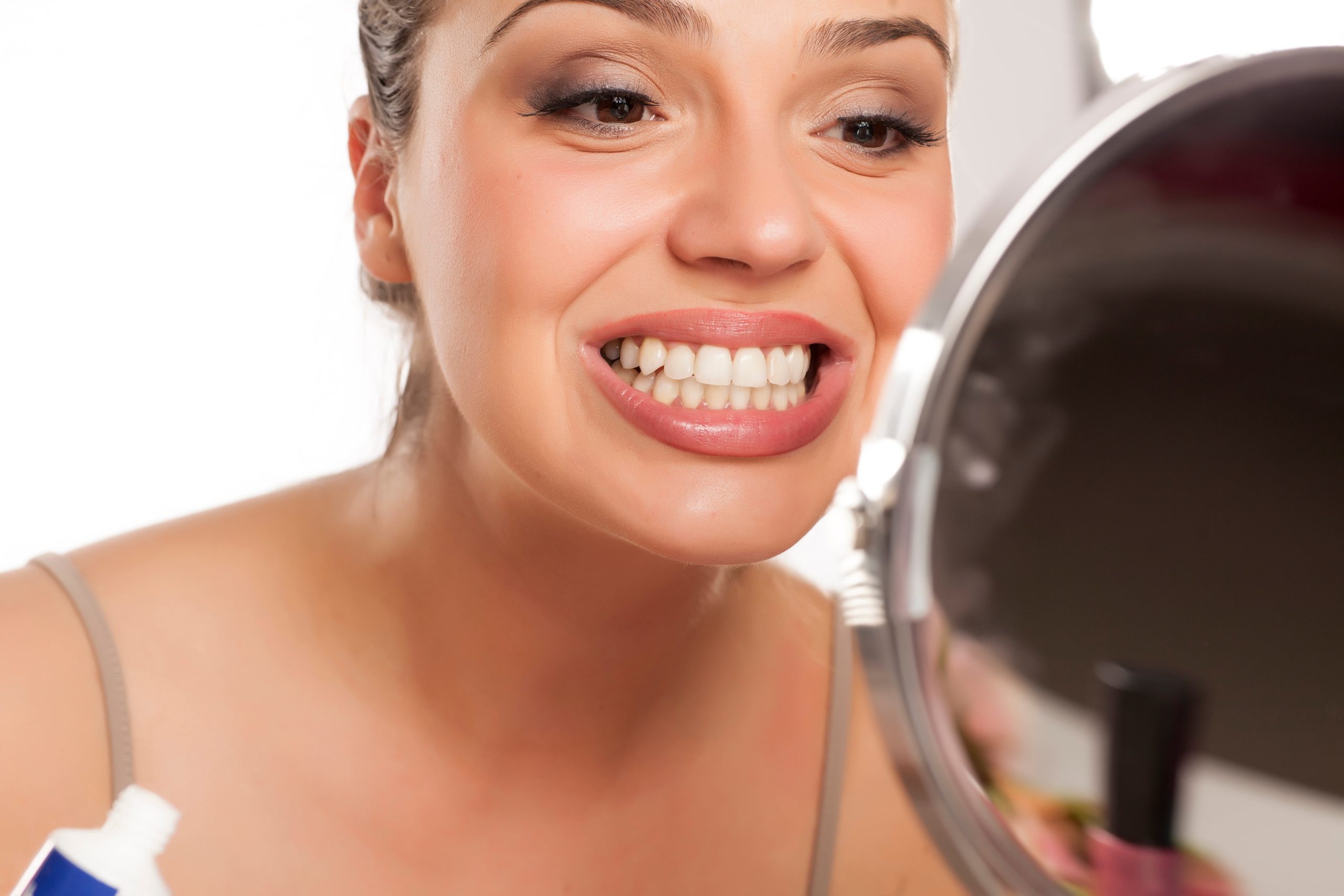
Teeth whitening for sensitive teeth is possible with the right approach and professional guidance. Whether your sensitivity is caused by enamel wear, gum recession, or other dental concerns, there are safe and effective whitening solutions designed to minimise discomfort while still achieving a brighter smile.
In this blog, we’ll explain what causes tooth sensitivity, how to whiten sensitive teeth safely, which whitening options are best, and when to see your dentist. If you’ve been avoiding whitening due to sensitivity, this guide will help you make an informed and confident decision.
What Causes Tooth Sensitivity?
Tooth sensitivity occurs when the protective enamel layer is worn down or the gums recede, exposing the underlying dentin. This inner layer contains tiny tubules that connect directly to the tooth’s nerve, triggering discomfort when exposed to hot, cold, sweet, or acidic substances including whitening products.
Common causes of sensitive teeth
- Brushing too hard or using a hard-bristled toothbrush
• Erosion from acidic foods and beverages
• Gum disease or gum recession
• Enamel wear from grinding or aging
• Cracked, chipped, or damaged teeth
• Recent dental treatments such as fillings or cleanings
Is Teeth Whitening Safe for Sensitive Teeth?
Yes, teeth whitening can be safely done for people with sensitive teeth if the right methods are followed. Dental professionals recommend using lower-concentration whitening gels, shorter application times, and products designed specifically for sensitive teeth.
Safe whitening practices
- Consult your dentist before starting any whitening treatment
• Avoid using strong or unregulated DIY kits
• Choose products with added desensitising ingredients
• Use sensitive toothpaste before and after whitening
• Space out treatments to allow enamel recovery
Sensitive Whitening Options: What Works Best?
There are several whitening methods suitable for patients with sensitive teeth. The best approach depends on your individual needs, dental health, and desired results.
Professional in-chair whitening
Dentist-supervised whitening treatments offer fast results while using desensitising agents like fluoride or potassium nitrate to reduce discomfort. These treatments are customised to your needs and monitored throughout the session.
Advantages
• Fast, visible results in one session
• Controlled by your dentist for safety and comfort
• Reduced chance of gum irritation and sensitivity
Dentist-prescribed take-home kits
Take-home kits from your dentist include custom-fitted trays and low-concentration whitening gel. This gradual approach is ideal for sensitive patients who prefer whitening at home.
Advantages
• Custom fit minimises gum exposure
• Lower peroxide levels reduce sensitivity
• Gradual whitening allows better control of results
Over-the-counter sensitive whitening products
Some supermarket whitening strips and toothpaste are formulated with mild ingredients for sensitive teeth. Although less powerful than professional options, they can still help brighten teeth gradually.
Popular options in Australia
• Sensodyne Whitening Toothpaste
• Oral-B 3D White Gentle
• Colgate Sensitive Pro-Relief
Always check for the ADA Seal of Approval before using any over-the-counter product.
What to Expect: Sensitivity After Whitening
Some level of sensitivity after whitening is common and usually temporary. It is more likely in people who already experience tooth sensitivity.
Managing post-whitening sensitivity
- Use toothpaste for sensitive teeth
• Avoid extremely hot, cold, or acidic foods for 24 to 48 hours
• Rinse with lukewarm saltwater to soothe irritated tissues
• Avoid further whitening for several weeks
• Avoid smoking and staining foods immediately after treatment
If sensitivity persists for more than a few days, consult your dentist to check for underlying issues such as enamel thinning or cavities.
What Is the Best Whitening Option for Sensitive Teeth?
The best whitening method for sensitive teeth depends on your specific concerns and goals. However, dentist-supervised whitening is generally the most effective and comfortable option.
Comparison of whitening options
| Whitening Method | Sensitivity Risk | Effectiveness | Timeframe |
| In-chair whitening with desensitising agents | Low | High | Immediate |
| Take-home custom trays | Moderate | High | One to two weeks |
| Whitening toothpaste | Very low | Mild | Four or more weeks |
| Over-the-counter strips | Moderate | Moderate | One to two weeks |
Why See a Dentist for Whitening Sensitive Teeth?
Seeing a dentist before whitening is especially important if you have a history of sensitivity. Your dentist will assess the condition of your enamel, check for gum recession, and help select the best option for your needs.
Benefits of professional whitening at Leederville Dental
- Personalised care based on your dental health
• Access to high-quality whitening systems
• Products that include desensitisers to protect your teeth
• Ongoing monitoring to avoid side effects
• Ability to treat underlying dental issues before whitening
How Much Does Teeth Whitening Cost in Australia?
The cost of teeth whitening depends on the method you choose and the dental clinic. Here’s an approximate guide to current pricing:
| Whitening Option | Estimated Cost (AUD) |
| In-chair professional whitening | $400 to $800 |
| Take-home dentist kits | $250 to $400 |
| Whitening toothpaste | $8 to $15 |
| Over-the-counter sensitive strips | $30 to $60 |
Leederville Dental offers a variety of whitening treatments tailored to sensitive teeth. Contact us for a consultation and personalised quote.
Quick Answers
Can sensitive teeth be whitened without pain?
Yes, with dentist-approved treatments that include desensitising agents, it’s possible to whiten without significant discomfort.
Which whitening method causes the least sensitivity?
In-chair treatments using desensitising agents under dentist supervision are the most comfortable option.
How can I reduce discomfort after whitening?
Use sensitive toothpaste, avoid hot and cold foods, and follow your dentist’s aftercare instructions.
Do whitening toothpastes work for sensitive teeth?
Yes, some whitening toothpastes are formulated specifically for sensitive users and can gradually lift stains.
Should I avoid certain foods after whitening?
Yes, avoid staining foods and beverages like coffee, tea, red wine, and beetroot for at least 48 hours after treatment.
When to Visit Leederville Dental
You should see a dentist if:
- You experience sharp or lingering sensitivity after whitening
• Your teeth appear unevenly coloured post-treatment
• Your gums feel irritated or inflamed
• You’re unsure which whitening method is safe for your dental health
At Leederville Dental, our experienced team will assess your sensitivity and recommend the safest, most effective whitening treatment tailored to your needs.
Why Choose Leederville Dental?
Leederville Dental is committed to providing personalised, evidence-based whitening treatments that consider your unique oral health and comfort. We use premium whitening systems and modern equipment to ensure outstanding results, even for patients with sensitive teeth.
Frequently Asked Questions
- Can whitening damage enamel if I have sensitive teeth?
No. When performed correctly under the supervision of a dentist, whitening treatments do not damage enamel, even in people with sensitivity. - What ingredients are helpful in whitening products for sensitive teeth?
Look for fluoride, potassium nitrate, or amorphous calcium phosphate (ACP), which can protect nerves and support enamel. - Are natural whitening remedies safe for sensitive teeth?
Most DIY remedies like baking soda and lemon juice can be too abrasive and may worsen sensitivity. It’s best to use dentist-recommended products. - How often should I whiten my teeth if they’re sensitive?
Most people with sensitivity should limit whitening to once or twice a year. Always follow your dentist’s guidance. - What foods or habits should I avoid after whitening?
Avoid coffee, tea, red wine, tomato-based sauces, and tobacco for at least 48 hours to maintain results and reduce sensitivity.