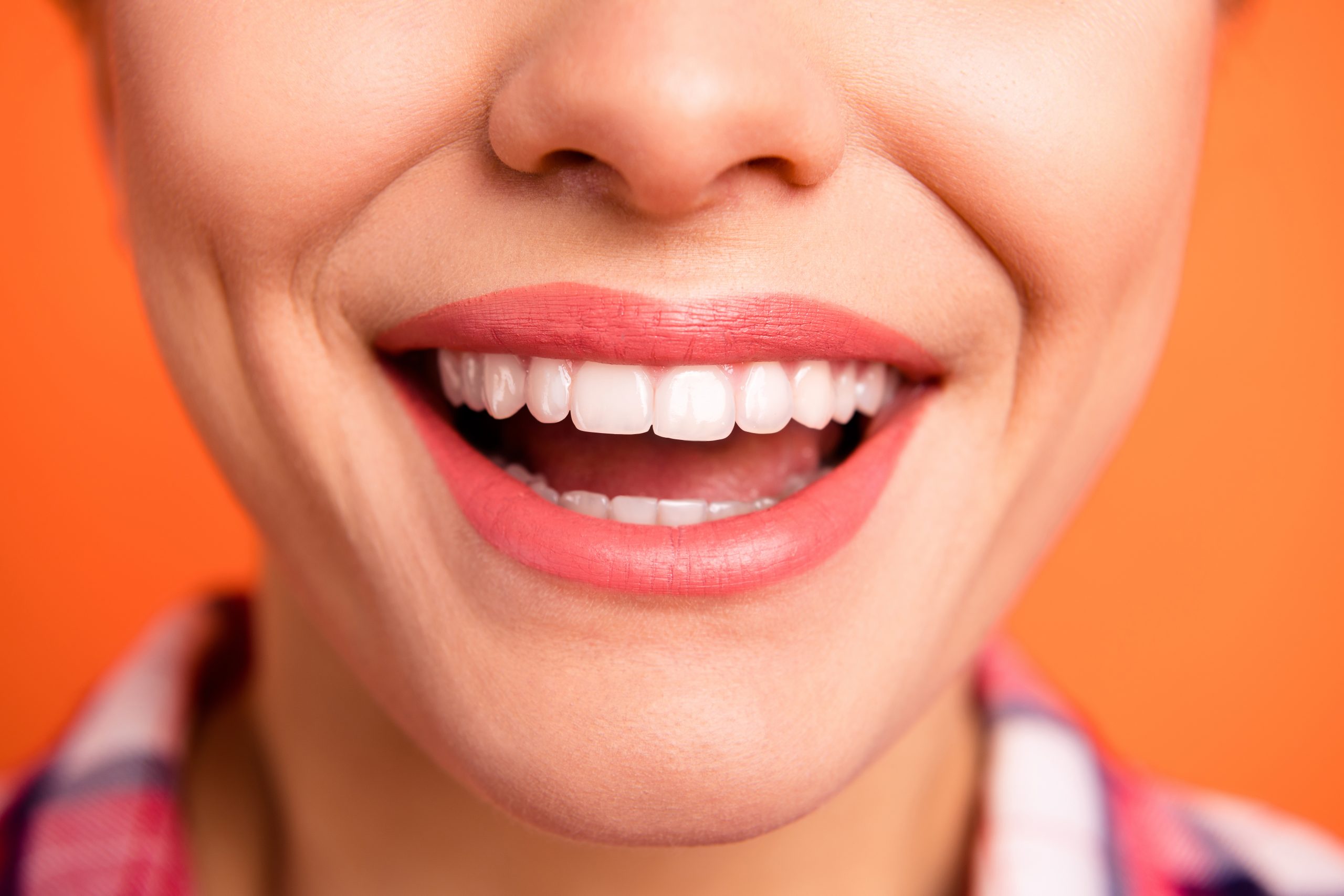
Teeth whitening dental care refers to the professional and supervised methods used to lighten the tooth enamel and improve smile aesthetics. In Australia, safe and effective whitening relies on dental oversight, correct product strength, and personalised treatment plans.
In this guide, you’ll find:
- How teeth whitening works (professional and home methods)
- Safety considerations, eligibility, and risks
- Detailed breakdowns of common techniques
- Typical pricing and local Australian market context
- Maintenance, aftercare, and choosing the right whitening path
- FAQs addressing common questions
Quick Answers
| Question | Short Answer |
| What is teeth whitening dental care? | A cosmetic dental procedure that uses peroxide-based gels (or milder agents) under professional supervision to lighten the natural enamel shade. |
| Is professional teeth whitening safer than over-the-counter kits? | Yes ,a dentist assesses tooth health and uses concentration under controlled conditions, reducing risks of sensitivity or uneven results. |
| How long does whitening last? | Typically 6 to 12 months (or sometimes more), depending on lifestyle, diet, and oral hygiene. |
| Can crowns/veneers be whitened? | No , bleaching agents affect natural enamel only; existing restorations may need replacement for colour match. |
| What is the cost in Australia? | In-chair whitening often ranges between AUD $600–$1,000, while take-home kits (via dentist) run around $300–$400. |
How Teeth Whitening Works: Science & Mechanism
The Whitening Process : What Happens on a Molecular Level
- Whitening gels contain hydrogen peroxide or carbamide peroxide.
- These bleaches penetrate enamel, breaking down pigment molecules by oxidation.
- Oxygen radicals separate stain molecules, lightening colour.
- Some systems use LED or laser activation to accelerate the process (though the primary effect remains chemical).
Australian regulatory guidance limits peroxide concentrations that can be used outside of a dental setting. Only registered dental professionals may supply or apply gels stronger than 6 % hydrogen peroxide.
Is Teeth Whitening Right for You?
Candidacy, Contraindications & Pre-Check
Who is a good candidate?
- Adults with intrinsic or extrinsic staining (from coffee, tea, smoking, ageing).
- People with healthy gums, no untreated decay, no cracked or heavily worn enamel.
- Those with realistic expectations (cannot whiten past natural shade limits).
Who should not whiten?
- Children under ~16 (teeth and pulp still developing).
- Pregnant or breastfeeding individuals (precautionary).
- Patients with active gum disease, cavities, or exposed roots.
- Those with significant enamel erosion, severe sensitivity, or hypersensitivity.
- Teeth with large cracks or unstable restorations.
What about dental restorations?
Teeth with crowns, veneers or composite fillings do not respond to bleaching. Whitening only affects natural tooth structure. If your smile has mixed restorations, your dentist may recommend replacing them to match the new shade.
Preliminary check steps
- A full dental examination (decay, gum health, imaging).
- Clean / scale to remove surface plaque or calculus.
- Shade mapping and baseline photography.
- Discuss expectations, limitations, and aftercare.
By verifying these points, you ensure safety, effective results, and reduce risks of post-whitening complications.
Types of Whitening Methods
In-Chair Professional Whitening
What to Expect (Step by Step)
- Dental cleaning and isolation of gums with barriers.
- Application of high-concentration peroxide gel (often 25-40 %).
- Use of activation (LED or blue light) in many systems.
- Multiple short cycles (e.g. 15-20 minutes) in one session.
- Post-treatment desensitising gel or fluoride.
Advantages & Disadvantages
- Pros: Fast results (1–2 sessions), supervised, more dramatic shade change, uniform whitening.
- Cons: Higher cost, more immediate sensitivity, limited to what enamel structure allows.
Many Australian dental clinics use branded in-chair systems (e.g. Zoom!).
Take-Home Whitening Kits via Dentist
How They Work
- Dentist creates custom-fitted trays that snugly fit teeth.
- You apply a lower concentration gel (e.g. 10–20 %) and wear trays for prescribed time (hours or overnight).
- Duration typically spans 1–2 weeks of daily use.
Pros & Cons
- Pros: More control over sensitivity, lower cost, can be repeated, convenient at home.
- Cons: Slower results, compliance dependent, potential for uneven contact or gel leakage.
Over-the-Counter / Store Kits & DIY Methods
These include strips, paint-on products, whitening toothpaste, charcoal, or home remedies (e.g. baking soda).
- OTC whitening gels generally have weaker peroxide (< 3–6 %) in Australia.
- These may lighten superficial stains but are less effective on deep discolouration.
- DIY remedies (lemon juice, charcoal, etc.) carry significant risk of enamel erosion or gum irritation.
Important note: The Australian Dental Association and healthdirect warn that only registered dental professionals should use stronger bleaching agents, and warn against unqualified providers.
Safety, Risks & Side Effects
Common Side Effects
- Tooth Sensitivity: transient increase in sensitivity to cold or hot stimuli (usually subsides).
- Gum or Soft Tissue Irritation: from gel contact or extended exposure.
- Uneven Whitening or Patchiness: due to cracks, fillings, or covering of some areas.
- Enamel Damage: misuse or overuse of aggressive whitening agents.
- Chemical Burns: in rare cases of prolonged gum contact.
If sensitivity or irritation persists beyond 1–2 days, consult your dentist.
Minimising Risks (Best Practices)
- Use only dentist-prescribed concentrations and application guidance.
- Employ desensitising gels or fluoride post-treatment.
- Begin with moderate whitening goals rather than “whitest possible.”
- Monitor for spots or irregularities and pause if discomfort is too high.
- Avoid whitening when core dental problems (cavities, gum disease) are unresolved.
Trustworthy dental practices will screen carefully and adjust protocols to your sensitivity threshold.
Cost & Australian Market Context
Typical Price Ranges in Australia
These are ballpark ranges; actual pricing depends on the clinic, degree of staining, and required resources.
Insurance & Medicare Coverage
Teeth whitening is viewed as a cosmetic procedure and is not covered by Medicare in Australia.
Some private health insurance extras plans may offer limited cosmetic dentistry benefits, but often bleaching falls outside standard cover.
Always check with your insurer and clinic for out-of-pocket costs and payment plan options.
Maintaining Your Whiter Smile
Strategies to Prolong Whitening Results
- Avoid or minimise consumption of stain-causing food and drink (coffee, tea, red wine, dark sauces, berries).
- Refrain from smoking or using tobacco products.
- Rinse or drink water after sipping staining beverages.
- Use whitening or low-abrasive toothpaste for daily maintenance.
- Consider an occasional top-up tray session (as prescribed by your dentist).
- Maintain strong oral hygiene: floss, brush twice daily, and have professional cleans every 6 months.
When to Touch Up
- If you notice gradual darkening (~6 to 9 months), schedule a touch-up treatment.
- Don’t go beyond safe limits repeated aggressive whitening can lead to enamel fatigue or sensitivity complaints.
Choosing the Right Whitening Path
Decision Flow (Awareness → Consideration → Decision)
- Awareness: Recognise need or desire for lighter teeth.
- Consideration: Explore pros/cons of in-chair vs take-home vs OTC.
- Consultation: Book a dentist consultation (assessment, cost, sample shade).
- Decision: Choose a method based on cost, sensitivity tolerance, time, and goals.
- Execution: Undergo whitening with professional supervision.
- Maintenance: Follow aftercare and touch-up guidelines.
Key Factors to Ask Your Dentist
- What concentration and brand of whitening agent will you use?
- How many sessions / what duration is required?
- What risks or sensitivity I might face?
- What happens if I’m not satisfied?
- What aftercare or top-up schedule is recommended?
Choosing a dental clinic (such as Leederville Dental) with experienced cosmetic dentists, strong credentials, patient reviews, and quality materials is vital to trust and result outcomes.
FAQ Section
- How much whiter can my teeth become?
Results depend on the initial shade, enamel thickness, and staining depth. Expect 3–8 shade improvements realistically; extreme brightening is neither safe nor guaranteed. - Is teeth whitening painful or unbearable?
Most patients experience mild, transient sensitivity, particularly with cold. Using desensitising agents or avoiding aggressive exposure mitigates discomfort. Rarely, sensitivity may last more than a few days seek dentist advice. - Can I whiten my teeth while pregnant or breastfeeding?
It’s generally not recommended. Due to uncertainty and hormone fluctuations, most dentists defer bleaching until after pregnancy and lactation. - Can I whiten fillings, crowns or veneers?
No. Only natural tooth enamel responds to bleaching. Restorations require replacement after whitening to match new shade. - How long do I need to wait between repeated whitening treatments?
It’s safe to wait at least 12 months or follow your dentist’s recommendations. Over-whitening in shorter intervals may damage enamel or increase sensitivity risk.
Conclusion
Teeth whitening dental care in Australia offers effective and relatively safe ways to brighten your smile provided you follow dental supervision, choose the appropriate method, and adhere to aftercare practices. Professional in-chair whitening delivers fast, strong results, while take-home kits offer convenience and gentler pacing. Avoid aggressive DIY or unregulated offerings that risk enamel harm.
At Leederville Dental, our team of qualified dentists and cosmetic specialists can guide you through assessment, method choice, and maintenance strategies tailored to your needs. Contact us for a consultation and take the safe, smart route to a brighter smile.