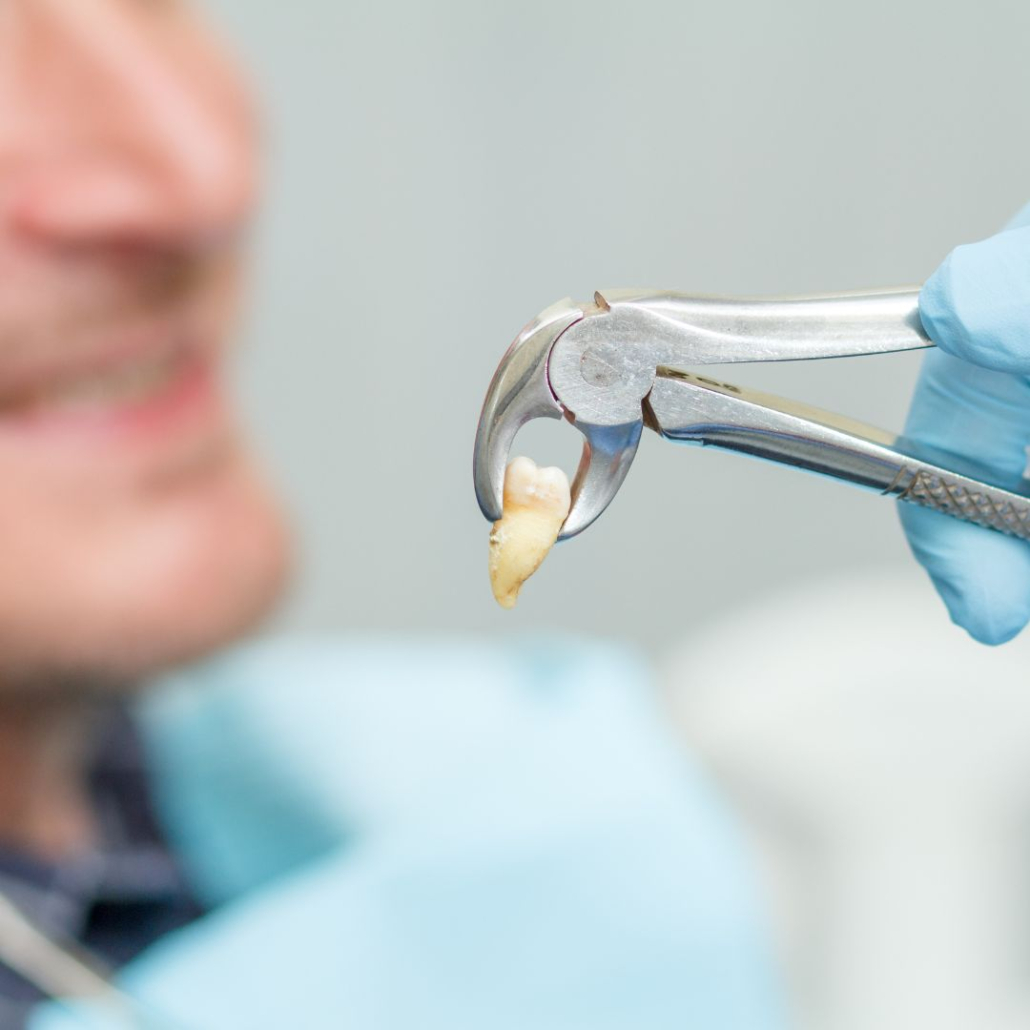
Tooth Extraction Aftercare: What to Do After Having a Tooth Removed
Simple steps to protect the extraction site, support healing and know when it is time to contact your dentist.
Having a tooth removed is only the first part of the process. What you do afterwards can play an important role in how comfortably and smoothly the extraction site heals.
Some bleeding, tenderness and swelling can be expected after a tooth extraction. During the early stages of recovery, one of the most important priorities is allowing a stable blood clot to form in the socket where the tooth was removed.
Every extraction is different. A straightforward extraction and a surgical wisdom tooth removal may have very different recovery needs, so the specific instructions given to you by your dentist or oral surgeon should always take priority over general advice.
Protect the blood clot. After an extraction, a blood clot normally forms in the socket and helps protect the underlying bone and nerves while healing begins. Avoid unnecessarily touching or disturbing the extraction site.
The First 24 Hours After a Tooth Extraction
The first day is particularly important because the extraction site is beginning the early stages of healing.
During the first day:
- Rest and take it easy.
- Bite gently on the gauze as instructed by your dentist.
- Avoid touching the extraction site with your fingers or tongue.
- Avoid vigorous rinsing or forceful spitting.
- Avoid strenuous exercise or heavy physical activity.
- Choose soft foods and avoid very hot food and drinks.
- Follow all medication and aftercare instructions provided by your dentist.
Control Bleeding With Gentle Pressure
A small amount of bleeding or blood-stained saliva can occur after an extraction.
Your dentist will usually place gauze over the extraction site and ask you to bite down gently but firmly. The pressure helps control bleeding and allows the blood clot to stabilise.
Avoid repeatedly removing the gauze simply to check the area, as unnecessarily disturbing the site can interfere with clot formation. Follow the instructions your dentist has given you about when to remove or replace the gauze.
Manage Pain and Swelling
Some soreness and swelling are common after a tooth extraction, particularly after a more complex or surgical procedure.
Take pain relief only as directed by your dentist, doctor or pharmacist and follow any instructions provided with your medication. If your dentist has recommended a cold pack, use it according to their instructions.
What matters is how your symptoms progress. Pain that becomes severe, persistent or noticeably worse after initially improving should be discussed with your dentist.
What Can You Eat After a Tooth Extraction?
Choose foods that are easy to eat and unlikely to disturb the extraction site. Chewing away from the area can also make eating more comfortable during the early recovery period.
Gentler choices
- Soft, easy-to-chew foods
- Mashed vegetables
- Yoghurt
- Eggs
- Soft pasta
- Other foods recommended by your dentist
Be cautious with
- Hard or crunchy foods
- Sharp foods that may irritate the socket
- Very hot food and drinks
- Foods that are difficult to chew
- Anything your dentist has specifically advised you to avoid
Keep Your Mouth Clean, But Be Gentle
Oral hygiene remains important during recovery, but the extraction site needs to be treated carefully.
Continue cleaning the rest of your mouth as instructed, taking care around the extraction area. Do not scrub or poke the socket.
Your dentist will tell you when it is appropriate to clean closer to the extraction site and whether you should use any particular rinsing method during recovery.
Be Careful With Rinsing and Spitting
Vigorous rinsing or forceful spitting can disturb the extraction site during the early stages of healing.
Follow the specific instructions given by your dentist regarding when to begin rinsing and what type of rinse to use. When rinsing is recommended, it should generally be done gently rather than aggressively.
Avoid Smoking and Vaping During Healing
Smoking can interfere with healing and is a recognised risk factor for dry socket.
Vaping may also interfere with oral healing, so it is sensible to avoid both smoking and vaping while the extraction site is healing and to follow the timeframe recommended by your dentist.
Take a Break From Strenuous Exercise
Heavy exercise and strenuous activity should be avoided during the early recovery period.
Your dentist can advise when it is appropriate to return to your normal exercise routine, particularly if you have had a surgical or complicated extraction.
What Is Dry Socket?
Dry socket, also known as alveolar osteitis, is a painful complication that can occur after a tooth has been removed.
Why does the blood clot matter?
Normally, a blood clot forms inside the empty tooth socket and protects the bone and nerves underneath. If the clot does not form properly or is lost too early, these tissues can become exposed. This can result in significant pain and delayed healing.
It is normal for an extraction site to feel sore. Dry socket, however, typically causes much more intense pain. The pain may begin or become significantly worse within the first few days after the extraction and may radiate towards the ear or other areas on the same side of the face.
Other possible signs can include an unpleasant taste or bad breath. If you think you may have dry socket, contact your dentist rather than trying to treat the socket yourself.
How Long Does a Tooth Extraction Take to Heal?
Healing time varies considerably from person to person and depends on factors such as which tooth was removed, whether the extraction was straightforward or surgical, your general health and how well the area is able to heal.
The gum can begin healing relatively quickly, but the deeper socket and underlying bone take longer to heal. This is why the area may still be healing even when it already feels much better.
Rather than focusing on a single recovery deadline, follow your dentist's instructions and pay attention to whether your symptoms are generally improving.
When Should You Contact Your Dentist?
Some discomfort after an extraction is expected. However, certain symptoms should be assessed rather than ignored.
Contact your dental clinic if you experience:
- Heavy bleeding or bleeding that does not settle
- Severe or persistent pain
- Pain that becomes significantly worse a few days after the extraction
- Swelling that is getting worse rather than improving
- A temperature of 38°C or higher
- Bad breath or an unpleasant taste together with significant pain
- Any symptom that concerns you or feels different from the recovery you were expecting
Tooth Extraction Aftercare: Quick Checklist
✓ DO
- Follow your dentist's specific instructions
- Rest after your extraction
- Use gauze as instructed
- Choose soft foods initially
- Keep the rest of your mouth clean
- Be gentle around the extraction site
- Take medication only as directed
- Contact your dentist if something does not feel right
✕ AVOID
- Touching or poking the socket
- Vigorous rinsing during early healing
- Forceful spitting
- Smoking and vaping
- Strenuous exercise during early recovery
- Very hot food and drinks initially
- Hard or sharp foods around the extraction site
- Ignoring severe or worsening symptoms
Remember: These are general aftercare guidelines. Your extraction may require different instructions depending on the tooth removed, the complexity of the procedure, your medical history and other individual factors. Always follow the specific advice provided by your dentist or oral surgeon.
Good Healing Starts With Good Aftercare
Tooth extraction recovery does not need to be complicated. During the early stages, focus on protecting the extraction site, keeping your mouth clean without disturbing the socket, eating appropriately and giving your body time to recover.
Most importantly, do not ignore symptoms that are severe, worsening or concerning. Your dental team can assess the extraction site and determine whether additional care is needed.
Questions After a Tooth Extraction?
If you have recently had a tooth removed and are concerned about pain, bleeding, swelling or how the area is healing, contact our team at Leederville Dental for advice.
08 9201 2744
www.leedervilledental.com.au